
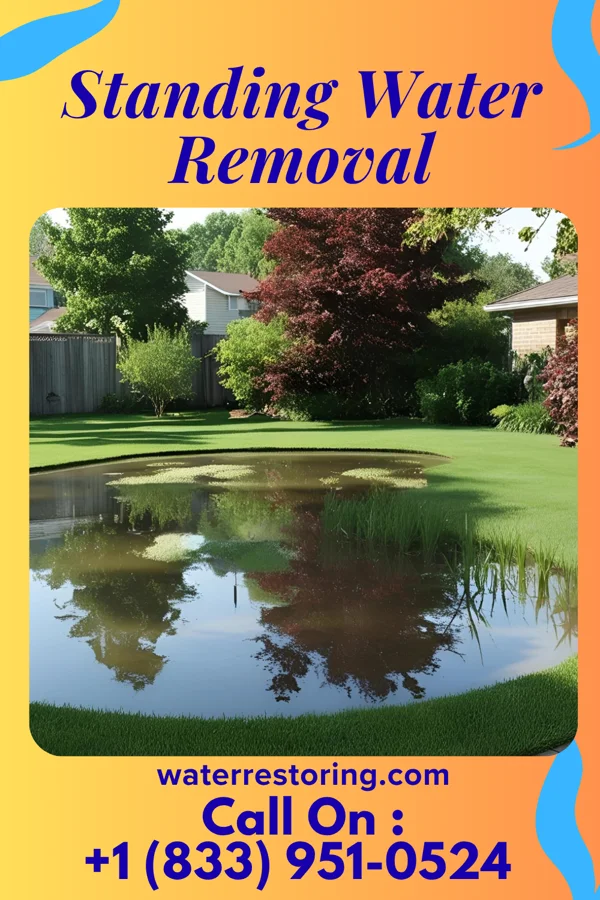
Monmouth Standing Water Drivers
Water damage in Monmouth tends to cluster in predictable windows because of the local climate. In Monmouth, Iowa, water damage often stems from agricultural runoff and seasonal flooding due to the surrounding rural landscape and nearby rivers. Heavy rainfall events, especially in the spring and early summer, can lead to saturated soils and unexpected water intrusion in homes and buildings. A close second is Secondary causes include burst pipes from frozen water lines during winter, seepage from nearby farms, and improper drainage around properties. These issues are common in the area due to its rural setting and the presence of agricultural activity..
Monmouth's climate, characterized by cold winters and warm, humid summers, increases the risk of both freezing water damage and mold growth. The region's flat terrain also contributes to prolonged water accumulation after rain events.
Monmouth's climate, characterized by cold winters and warm, humid summers, increases the risk of both freezing water damage and mold growth. The region's flat terrain also contributes to prolonged water accumulation after rain events. The dominant local driver is In Monmouth, Iowa, water damage often stems from agricultural runoff and seasonal flooding due to the surrounding rural landscape and nearby rivers. Heavy rainfall events, especially in the spring and early summer, can lead to saturated soils and unexpected water intrusion in homes and buildings., with Secondary causes include burst pipes from frozen water lines during winter, seepage from nearby farms, and improper drainage around properties. These issues are common in the area due to its rural setting and the presence of agricultural activity. showing up as the next most common cause. Damage builds in stages. Spread. Absorption. Microbial growth. Structural compromise. Every stage you pass through adds to the final bill.